
Analyzing the Alarming Statistics
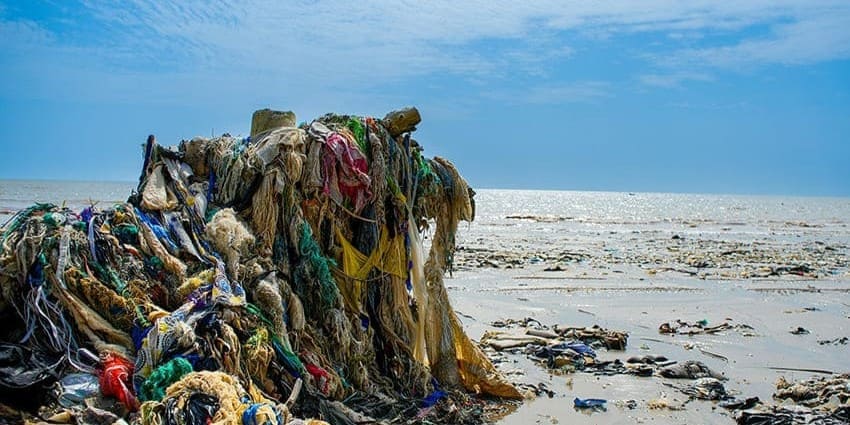
Current estimates indicate that there are at least 269,000 metric tons of plastic in the ocean, equivalent to over 5 trillion plastic pieces. More critically, approximately 8 million new pieces of plastic waste enter the ocean every day, and this number continues to rise.
When discussing marine plastic pollution, the Great Pacific Garbage Patch serves as one of the most striking examples. This area in the North Pacific, located between Hawaii and California, accumulates vast amounts of debris carried by ocean currents and concentrated by gyres. Its exact coverage is difficult to measure precisely. However, the gyre responsible for accumulating this patch spans at least tens of millions of square kilometers, highlighting the severity of the issue. The total plastic volume is closely linked to its decomposition rate on land and in the sea. The degradation process causes items like plastic bottles to break down into microplastics. These harmful particles eventually enter the marine food web and can return to humans through the food chain, posing a potential health threat—studies have already reported the detection of microplastics in human blood and lung tissue.
Why is the Marine Plastic Pollution Problem So Severe?
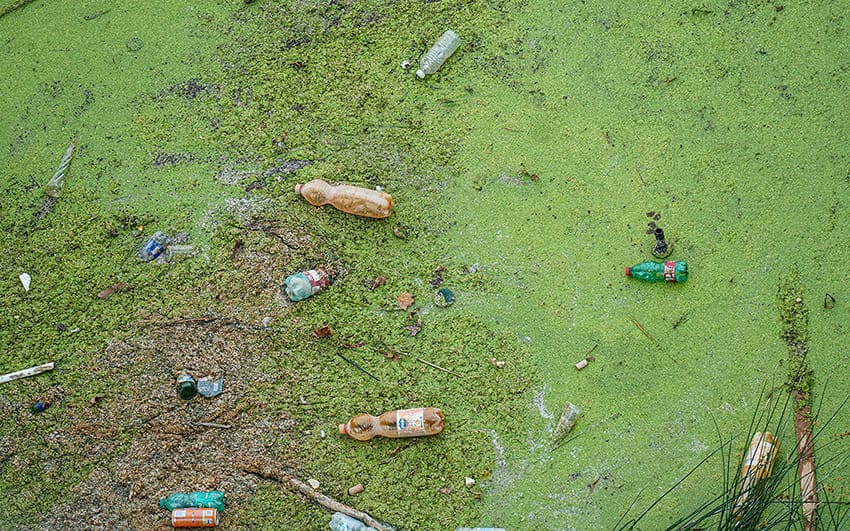
According to analysis by the World Wide Fund for Nature (WWF), 80% of plastic waste entering the ocean originates from land-based sources. So, how does plastic discarded inland ultimately reach the sea?
The core issue lies in the excessive generation of plastic waste and its improper disposal. Littering, improper flushing of items down toilets, and illegal dumping allow waste to enter the natural environment, where it can easily be carried into water systems.
Drainage systems and sewage networks typically discharge into rivers and other water bodies, which ultimately connect to the ocean. If there are shortcomings in wastewater treatment processes, plastic items flushed down toilets can potentially flow directly into the sea. Littering, inadequate waste management systems, and the improper disposal of fishing gear are major anthropogenic factors contributing to marine plastic pollution.
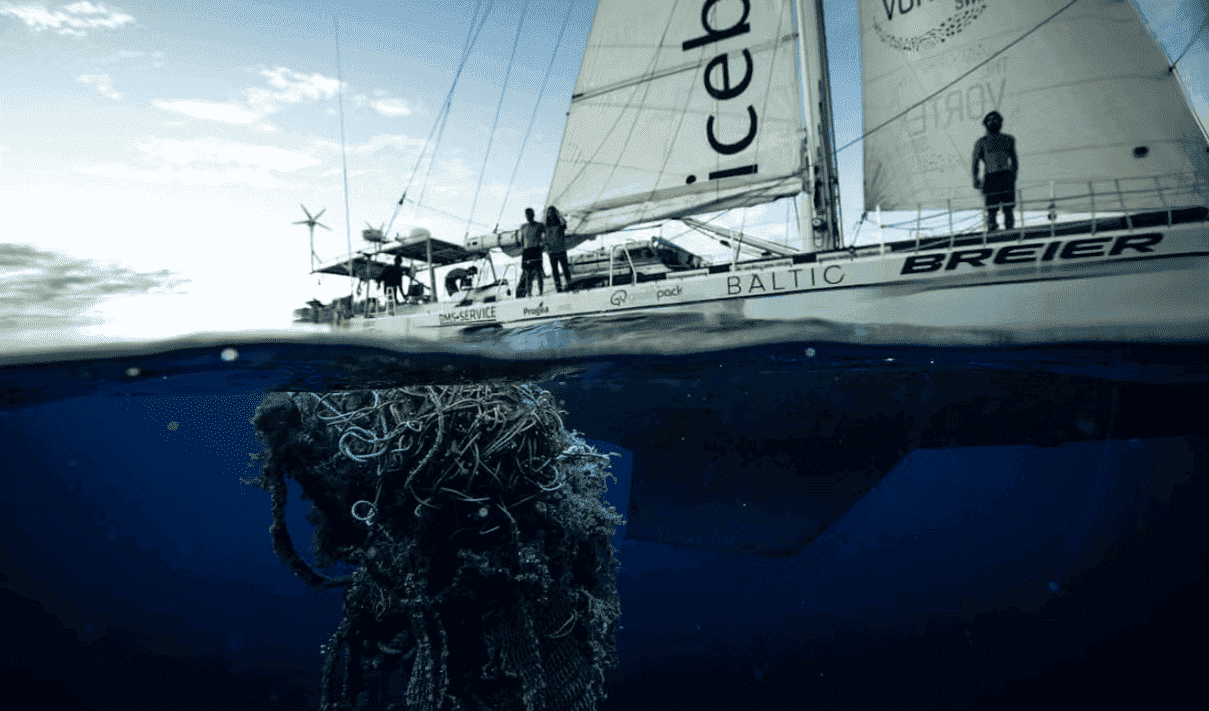
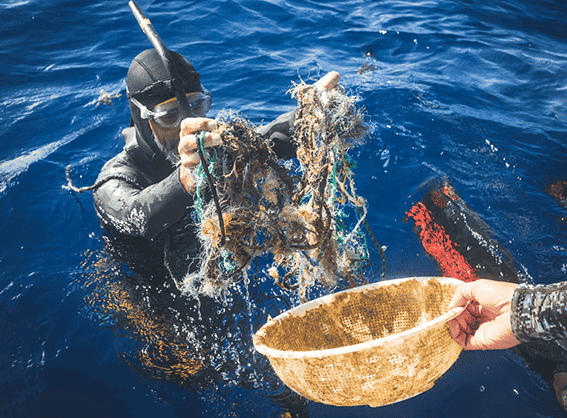
Fishing activities constitute another major source of pollution. Estimates suggest that up to 10% of marine plastic debris comes from abandoned, lost, or discarded fishing gear (ALDFG), such as nets, lines, and traps. Within the plastic debris circulating in the Great Pacific Garbage Patch, abandoned fishing nets account for a significant portion, estimated at up to 86%.
Typical Product Cases of Marine Plastic Valorization
As the crisis becomes increasingly prominent, various stakeholders are actively seeking solutions. Numerous companies, governments, and organizations are committed to addressing marine plastic pollution.
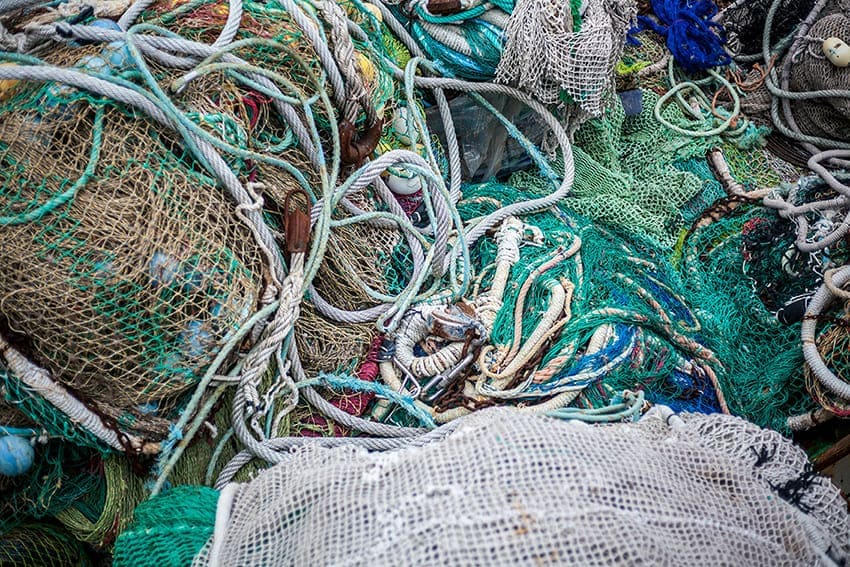
For example, The Ocean Cleanup focuses on extracting plastic from marine garbage patches, collecting it, and bringing it ashore for cleaning and processing. Recycled polyester fiber (rPET), made from discarded PET bottles, is already widely used in products like sports shoes, down jackets, and outdoor tents. Prominent brands such as Adidas and Patagonia have also incorporated ocean-recycled plastic fibers into their apparel lines. Furthermore, some organizations work directly with fishers and coastal communities, setting up collection points for end-of-life fishing nets. The collected waste is meticulously sorted by material type, color, etc., laying the groundwork for subsequent valorization.
Plastic Waste Recycling and Processing
For the recycling and regeneration of ocean plastics, a complete set of modular equipment systems provided by Streamline Eco Tech can be adopted to achieve a closed-loop process for high-value utilization. This process primarily includes:
- Physical Separation Technology: Utilizing equipment such as magnetic separators, air classifiers, and density separators to effectively remove metals and impurities from the plastic, achieving a separation purity of over 98%. It also enables classification by plastic type (e.g., PE, PP, PET), creating conditions for subsequent resource recovery.
- Resource Utilization: Cleaned plastics are shredded and pelletized to produce recycled plastic pellets. These pellets can be used in various industries, including packaging, building materials, apparel, automotive components, 3D printing materials, and chemical feedstocks.
Customized Solutions by Streamline Eco Tech
Leveraging deep expertise in the solid waste treatment sector, Streamline Eco Tech provides comprehensive, customized solutions for marine plastic recycling. The company has designed modular multi-stage shredding systems tailored to different client needs. For large enterprises, it offers fully automated production lines integrating pre-sorting, multi-stage shredding, precise sorting, and washing-drying modules to achieve efficient resource recovery. Their innovative solutions aim to help partners reduce resource consumption, decrease carbon emissions, and achieve sustainable development goals.
This equipment is specifically optimized for materials like fishing nets, featuring anti-wrapping blades and intelligent control systems. Technological innovation is a core advantage of the company. Clients can also opt for a remote visual intelligent monitoring system to track equipment status in real-time, minimizing downtime and enhancing processing efficiency.
The future trend is shifting from mere recycling towards high-value utilization and circular manufacturing, striving to reintegrate every gram of plastic back into the industrial cycle, ultimately working towards a “Zero-Waste Future.”