
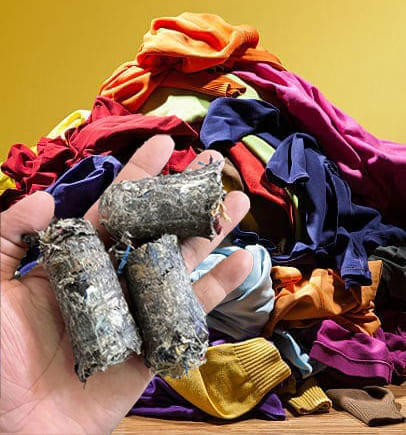
With the continuous growth of the global population and rising consumption levels, textile production and the generation of textile waste have increased significantly worldwide. Mixed textile products—composed of multiple fiber types such as cotton, polyester, and nylon—are particularly difficult to recycle due to their complex material composition. Conventional recycling pathways are often limited to low-value applications or landfill disposal. When waste textiles are directly landfilled, valuable resources are lost and additional environmental pollution may occur.
In recent years, Refuse-Derived Fuel (RDF) has emerged as an important solution for solid waste valorization. RDF enables high-calorific-value waste streams, including waste textiles, to be converted into alternative fuels that partially replace coal, offering a practical pathway for the “remolding and regeneration of discarded fibers.”
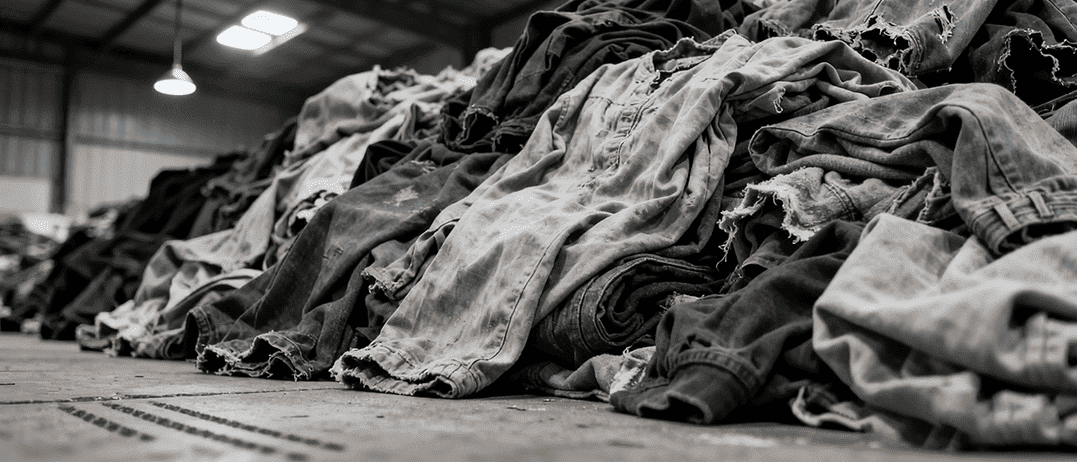
Fundamental Concept of RDF and the Reutilization of Textile Waste
RDF (Refuse-Derived Fuel) refers to combustible materials extracted and upgraded from municipal solid waste or industrial solid waste through pretreatment processes such as sorting, crushing, drying, and forming. RDF is widely used as an alternative fuel in high-temperature industrial systems, including industrial boilers and cement kilns. Its primary components include paper, plastics, and textiles with relatively high calorific values.
Waste textiles, especially mixed-fiber textile residues, contain a high proportion of combustible fibers and are therefore considered ideal feedstocks for RDF production. During the RDF preparation process, industrial shredders serve as core equipment, effectively reducing bulky, entangled textile materials into suitable particle sizes. This size reduction significantly improves downstream separation efficiency and combustion performance.
Process Flow for Shredding Mixed Waste Textiles into RDF
The preparation of RDF involves multiple processing stages:
Collection and Pre-Sorting
Waste textiles are collected and subjected to manual or mechanical pre-sorting to remove non-combustible materials such as metals, plastic fasteners, rubber components, and other contaminants.
Shredding
shredders are used to cut and tear textile materials into smaller fragments or flakes. This process disperses fibers and reduces volume, facilitating subsequent separation and drying. Depending on material characteristics and capacity requirements, single-shaft shredders, dual-shaft shredders, or combined shredding systems may be employed to achieve the desired particle size distribution and throughput.
Separation and Impurity Removal
Technologies such as magnetic separation, eddy current separation, and air classification are applied to remove ferrous and non-ferrous metals as well as non-combustible fractions with unsuitable density, thereby improving RDF purity and calorific value.
Drying and Moisture Control
Drying systems are used to reduce the moisture content of the shredded material, typically to below 20%, which significantly enhances calorific value and combustion efficiency.
Forming Process (Optional)
The pretreated textile fractions may be compressed into RDF fuel pellets or briquettes, improving transportability, storage stability, and combustion consistency.
Final Product Quality Control
Key parameters such as calorific value, particle uniformity, and impurity content are analyzed to ensure that the RDF meets the requirements of specific industrial combustion applications.
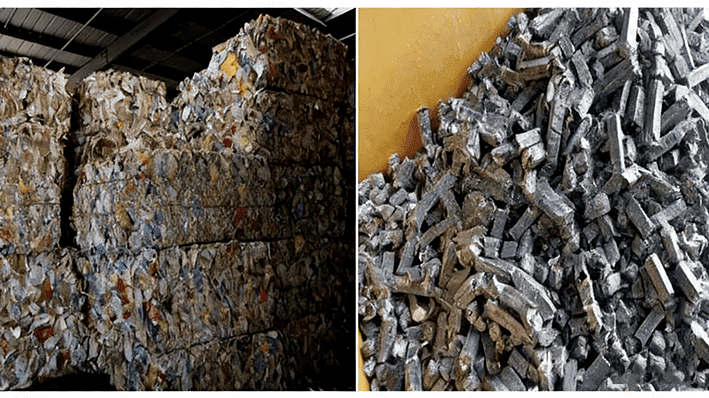
Key Equipment Required for RDF Preparation and Application
| Process Stage | Key Equipment |
| Primary crushing / shredding | Dual-shaft shredders, single-shaft shredders |
| Separation and impurity removal | Magnetic separators, eddy current separators, air classifiers |
| Drying | Hot-air dryers, rotary drum dryers |
| Secondary size reduction | Fine crushers, secondary shredders |
| Forming | RDF briquetting machines, pelletizers |
| Conveying and monitoring | Conveyor belts, screening machines, online monitoring systems |
Crushers and shredders occupy a central position in the entire RDF production line, as they directly determine particle size distribution, separation efficiency, and the stability of downstream combustion performance.
Calorific Value and Energy Potential of RDF
The calorific value of RDF is a critical indicator of its energy potential. Variations in feedstock composition and processing intensity result in different calorific ranges:
- Typical RDF exhibits a higher heating value in the range of 11–20.5 MJ/kg (≈2600–4900 kcal/kg)or even higher, depending on composition.
- When textile waste is blended with high-calorific components such as plastics, the overall heating value can be significantly enhanced. Studies indicate that textile-based RDF can reach or exceed 4500 kcal/kg (≈18.8 MJ/kg).
- Additional drying and forming processes further improve combustion stability and energy density.
As a result, RDF can partially replace coal and other conventional fossil fuels in cement kilns, industrial boilers, and power generation facilities, contributing to reduced carbon emissions and lower consumption of virgin energy resources.
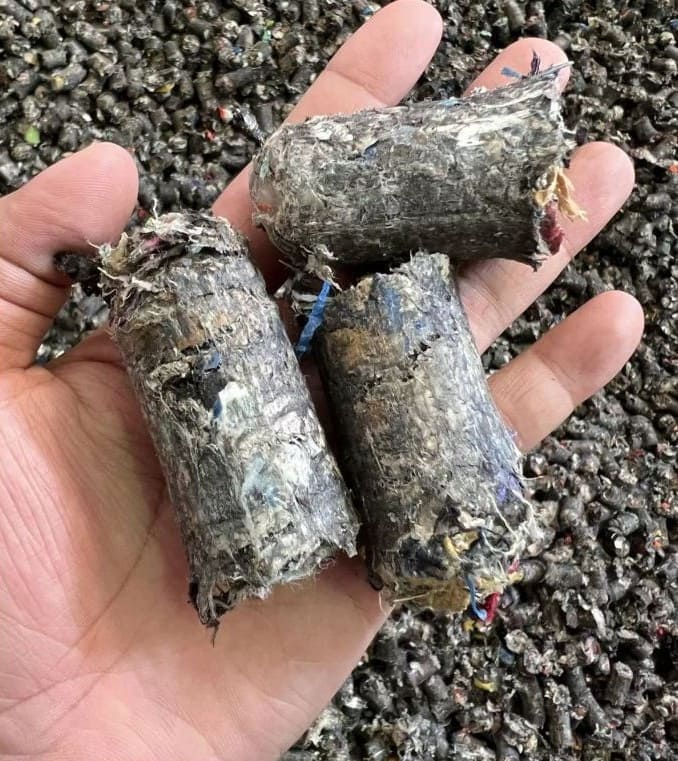
Economic and Environmental Value of RDF
Economic Value
- RDF increases the energy value of waste materials, creating new revenue streams for recycling and waste management industries.
- It demonstrates strong market potential for absorbing large volumes of industrial textile waste, waste paper, and plastic fractions with high calorific value.
- Substituting coal with RDF reduces fuel procurement costs while simultaneously lowering landfill disposal expenses.
Environmental Value
- RDF reduces the volume of solid waste sent to landfills or direct incineration, improving overall resource circularity.
- Partial replacement of fossil fuels helps reduce CO₂ emissions and other air pollutants.
- The integration of advanced sorting and thermal treatment technologies can further reduce the formation of harmful substances such as dioxins.
Expansion of RDF Feedstock Sources
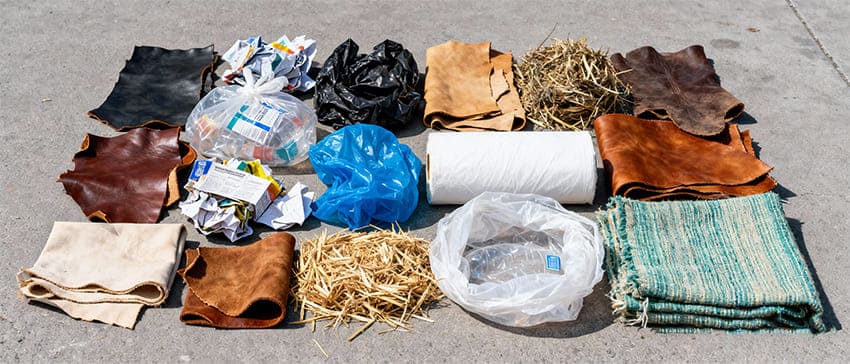
In addition to waste textiles, common RDF feedstocks include:
- Combustible fractions of municipal solid waste: cardboard, plastic packaging, and similar materials.
- Industrial solid waste: waste paper, rubber fragments, leather offcuts, and production residues.
- Biomass waste: agricultural straw and forestry residues, which can be co-processed with textile waste to produce more stable RDF blends.
- Bulky waste: dismantled combustible components from furniture, mattresses, and similar items.
The utilization of diversified feedstock sources not only reduces the overall carbon footprint but also enhances the adaptability and competitiveness of RDF across different combustion systems.
Streamline Eco Tech is committed to delivering end-to-end, customized RDF solutions, supporting industries in transforming complex textile waste streams into stable, high-calorific alternative fuels.