
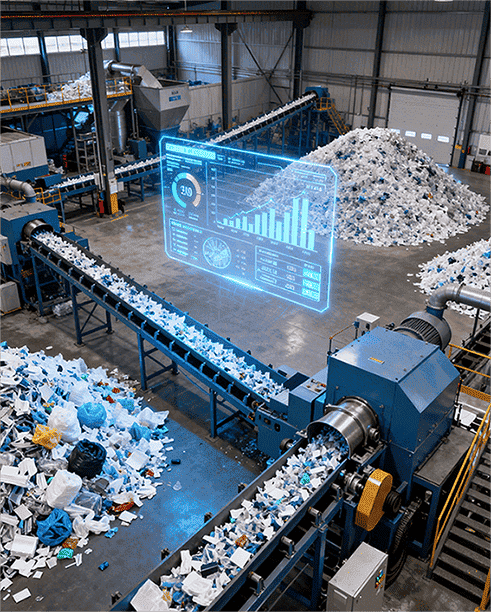
Within the context of a continuously deepening global plastic circular economy, efficient and stable plastic recycling pelletizing lines have become critical for enterprises to enhance competitiveness. According to the “Global Plastics Outlook” published by the OECD, global plastic production has exceeded 400 million tons per year, while the recycling utilization rate still holds immense potential for improvement.
For recycling enterprises and plastic product manufacturers, selecting the appropriate plastic recycling pelletizing system is not only a matter of pellet quality stability, but also directly impacts energy consumption levels, operational costs, and investment return.
As an enterprise specializing in solid waste resource utilization equipment manufacturing, Streamline Eco Tech, drawing upon its global project experience, has summarized the following professional selection framework to assist clients in scientifically matching their plastic pelletizing system solutions.
Basic Components of a Plastic Pelletizing System
A complete plastic recycling pelletizing system typically includes:
- Pretreatment System(碎纸机/破碎机)
- Washing System(Friction Washer, Rinsing Tank, Dewatering Machine)
- Drying System
- Extrusion Pelletizing System(Single Screw or Twin Screw)
- Filtration System(Hydraulic Screen Changer or Continuous Melt Filter)
- Pelletizing System(Strand Pelletizing/Water Ring Pelletizing/Underwater Pelletizing)
- Cooling and Conveying System
- Intelligent Control System(PLC Automated Control)
Among these, the stability and cleanliness of the front-end pretreatment system directly determine the final pellet quality and the overall operational efficiency of the entire production line.
流线型生态技术‘s Core Positioning
Streamline Eco Tech specializes in providing customers with:
- Pretreatment System(碎纸机/破碎机)
- Washing System(Friction Washer, Rinsing Tank, Dewatering Machine)
- Drying System
We do not manufacture extrusion pelletizing, filtration, or pelletizing equipment. However, based on client project requirements, we can recommend mature and reliable partner brands for system integration, ensuring coordinated matching and proper process interfacing for the complete line.
Our core advantage lies in building high-quality, stable, and high-efficiency front-end pretreatment solutions for our clients.
Key Factors in Selecting a Plastic Pelletizing System (Core Section)
- Pretreatment System: The First Step Determining Overall Line Efficiency
Plastic feedstock comes in complex forms, including:
Film-type (Agricultural Film, Packaging Film)
Woven Bags Rigid Plastics
PET Bottles Industrial Scrap
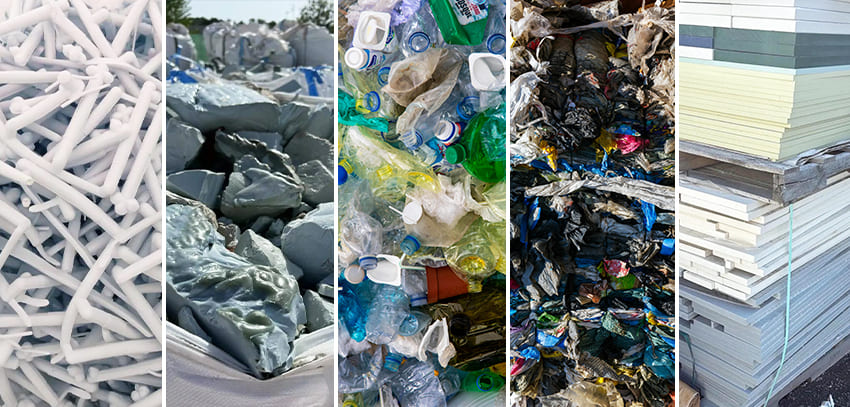
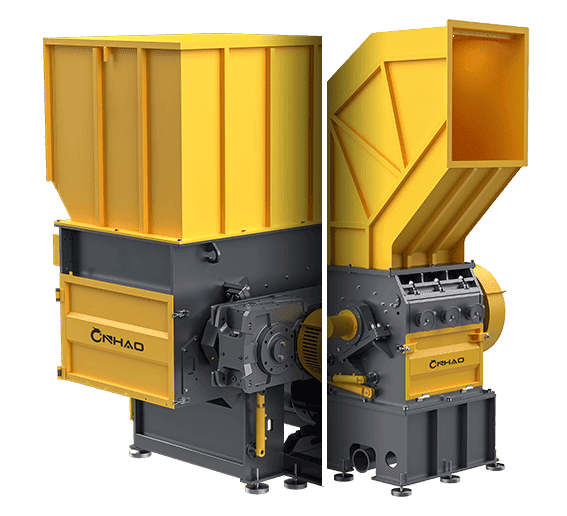
Different feedstock types require matching with different types of:
1.Shredder: Used for primary size reduction of bulky or complex-shaped feedstock to reduce dimensions and ensure stable subsequent conveying.
2.Crusher: Used for secondary fine crushing to ensure uniform particle size and improve washing efficiency.
A rational knife shaft structure, screen mesh size, and throughput capacity matching can effectively reduce energy consumption and enhance system stability.
- Feedstock Contamination Level "(《世界人权宣言》) contamination level of the recycled plastic directly influences system complexity:
| Contamination Level | Recommended System Configuration |
| Light | Basic Washing + Single-stage Filtration + Dewatering |
| 中度 | Hot Washing + Friction Washing + Dual-stage Filtration + Dewatering |
| Heavy | Multi-stage Washing + High-precision Continuous Melt Filtration + Dewatering |
Insufficient filtration capacity will lead to:
- Increased black specks
- Unstable melt
- Poor pellet appearance
- Rising customer complaint rates
- Throughput Capacity Requirement
Common pelletizing system throughput capacity ranges include:
- 200 kg/h
- 500 kg/h
- 1000 kg/h
- 2000 kg/h and above
When selecting capacity, considerations must include:
- Feedstock supply stability
- Electrical power capacity
- Factory floor space
- Downstream sales capability
Too small-> Slow return on investment (ROI)
Too large-> Insufficient equipment utilization
Streamline Eco Tech recommends matching the system based on business plans for the next 3-5 years.
- Why is the Front-End System So Important?
The root cause of failure for many recycling projects is often not the extrusion equipment itself, but rather issues with the front-end:
- Uneven feedstock size
- Incomplete washing
- Excessive moisture content
- Ineffective impurity removal
The quality of front-end pretreatment directly affects:
- Melt filtration burden
- Pellet stability
- Equipment wear rate
- Investment return period
A well-designed front-end system can significantly reduce the operational pressure and maintenance costs for the downstream processes.
Why Does 流线型生态技术 Stand Out?
Building a complete plastic recycling pelletizing system requires synergistic cooperation between front-end and back-end equipment.
Streamline Eco Tech does not pursue comprehensive coverage of all equipment categories, but instead focuses on professional expertise in the pretreatment system—through efficient shredding, thorough washing, and stable drying, we create the optimal operating conditions for the downstream pelletizing system.
We specialize in the front-end, laying the foundation for the success of the entire line.
For complete production line planning advice or recommendations for partnering equipment solutions, we can provide customized technical consultation and support.