
Pikavastaus
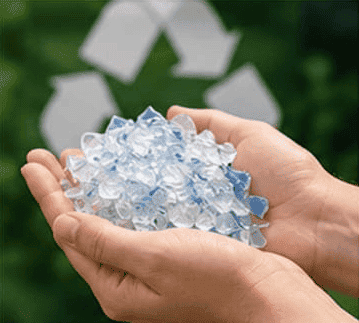
PET-kierrätys on prosessi, jossa kuluttajien käytöstä poistuneet PET-pullot kerätään, lajitellaan, pestään, silputaan ja jalostetaan uudelleen uudelleen käytettäviksi raaka-aineiksi. Kierrätysprosessissa poistetaan etiketit, korkit, epäpuhtaudet ja kosteus, jotta saadaan aikaan korkealaatuisia PET-hiutaleita tai kierrätetyn PET:n (rPET) rakeita. Näitä materiaaleja käytetään laajalti kuitujen tuotannossa, levyjen suulakepuristuksessa, sidontakäytössä ja elintarvikekäyttöön soveltuvissa pakkaussovelluksissa. Moderni PET-kierrätyslinja sisältää tyypillisesti lajittelujärjestelmät, etikettienpoistajat, silppurit, pesuyksiköt, vedenpoistolaitteet ja kuivausjärjestelmät.
Johdanto
PET (polyeteenitereftalaatti) on yksi maailman eniten kierrätetyistä muoveista.
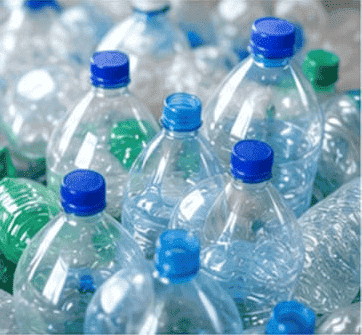
PET-muovia käytetään pääasiassa juomapulloissa ja elintarvikepakkauksissa. Se on erittäin hyvin kierrätettävää ja sitä voidaan kierrättää useita kertoja, kun käytetään asianmukaisia kierrätystekniikoita.
Kun kierrätysmuovin kysyntä maailmanlaajuisesti kasvaa jatkuvasti, PET-muovin kierrätyksestä on tullut olennainen osa kiertotaloutta.
Mitä on PET-muovin kierrätys?
Määritelmä
PET-kierrätys on prosessi, jossa kuluttajien käytöstä poistuneet PET-tuotteet muutetaan mekaanisten kierrätystekniikoiden avulla uudelleen käytettäviksi raaka-aineiksi.
Tavoitteena on hyödyntää arvokkaita muoviresursseja ja samalla vähentää kaatopaikkajätettä ja ympäristövaikutuksia.
Yleisimmät PET-jätteiden lähteetes
- Vesipullot
- Virvoitusjuomapullot
- Ruokaöljypullot
- Ruokapakkaukset
- PET-pakkausmateriaalit
Miten PET-kierrätys toimii?
Johtopäätös: Ensinnäkin
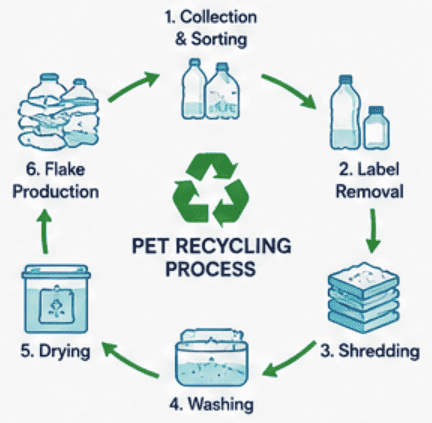
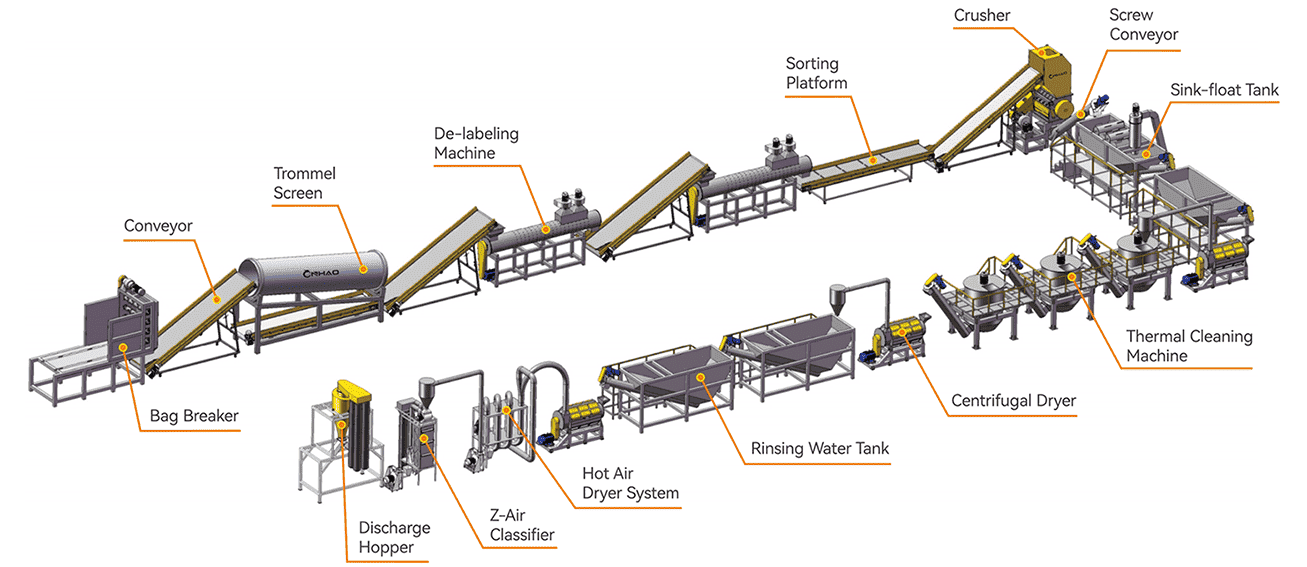
Tavallinen PET-kierrätysprosessi koostuu keräyksestä, lajittelusta, etikettien poistosta, silppuamisesta, pesusta, kuivauksesta ja lopullisen hiutaleen valmistuksesta.
Tärkeimmät tekniset parametrit
PET-kierrätyksen edut
1. Luonnonvarojen säästäminen
Vähentää riippuvuutta neitseellisestä muovista.
2. Hiilidioksidipäästöjen vähentäminen
Kuluttaa vähemmän energiaa kuin neitseellisen PET:n tuotanto.
3. Kaatopaikkajätteen vähentäminen
Vähentää muovijätteen päätyä kaatopaikoille.
4. Kiertotalouden tukeminen
Mahdollistaa materiaalin toistuvan uudelleenkäytön.
5. Taloudellisen arvon luominen
Tuottaa tuloja kierrätetyistä materiaaleista.
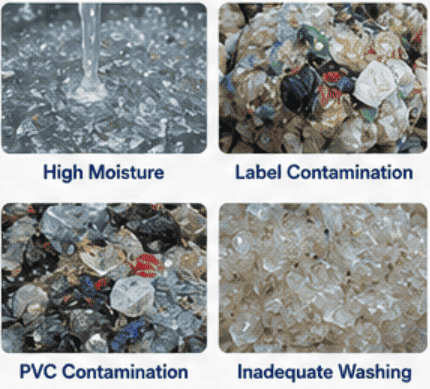
Yleisiä ongelmia
Korkea kosteuspitoisuus
Ylimääräinen kosteus voi aiheuttaa PET-muovin hajoamista suulakepuristuksen aikana.
Etiketin likaantuminen
Huonosti irrotetut etiketit heikentävät tuotteen laatua.
PVC-saastuminen
PVC-saasteet voivat aiheuttaa kellastumista ja mustia täpliä.
Puutteellinen pesu
Jäljelle jääneet epäpuhtaudet laskevat hiutaleiden arvoa.
Ratkaisut
Lajittelun tehokkuuden parantaminen
Käytä optista lajittelua ja manuaalista tarkastusta.
Asenna tehokkaat tarranpoistajat
Paranna PET:n puhtautta ennen pesua.
Kuumapesun optimointi
Pidä lämpötila ja kemikaalien annostus oikeina.
Käytä edistyksellisiä kuivausjärjestelmiä
Vähennä kosteuspitoisuutta ennen suulakepuristusta.
Laadunvalvonnan toteuttaminen
Tarkkaile säännöllisesti puhtautta, kosteutta ja hiutaleiden kokoa.
PET-kierrätyslaitteiden yleiskatsaus
| Prosessi | Laitteet |
| Lajittelu | Lajittelukuljetin |
| Etiketin poisto | Tarranpoistaja |
| Silppuaminen | Murskain/silppuri |
| Pesu | Kuuma pesukone |
| Siivous | Kitka-aluslevy |
| Vedenpoisto | Vedenpoistokone |
| Kuivaus | Lämpöilmakuivain |
| Ero | Siksak-erotin |
FAQ
Mitä lyhenne PET tarkoittaa?
PET on lyhenne sanoista polyeteenitereftalaatti.
Voidaanko PET-muovia kierrättää useita kertoja?
Kyllä, PET-muovia voidaan kierrättää useita kertoja asianmukaisella käsittelyllä.
Mikä on ihanteellinen PET-hiutaleiden koko?
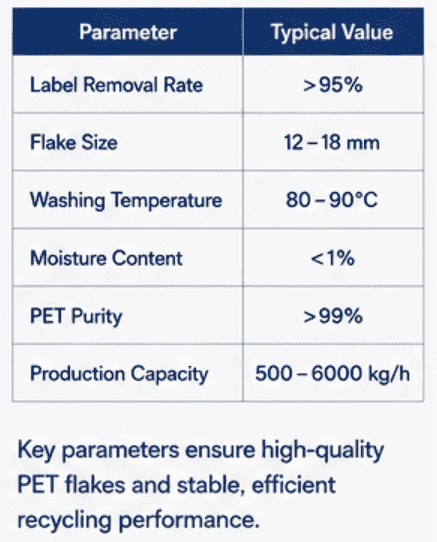
Useimmat kierrätyslinjat on suunniteltu käsittelemään 12–18 mm:n kokoisia hiutaleita.
Miksi kuumapesu on tärkeää?
Se poistaa liimaa, öljyjä ja epäpuhtauksia.
Mikä kosteustaso on suositeltava?
Yleensä alle 1% ja alle 500 ppm ennen suulakepuristusta.
Mitä rPET on?
rPET tarkoittaa kierrätettyä PET-materiaalia, joka on valmistettu PET-jätteestä.
Voidaanko kierrätettyä PET-muovia käyttää elintarvikepakkauksissa?
Kyllä, kun se käsitellään hyväksyttyjen elintarvikekäyttöön soveltuvien kierrätysjärjestelmien mukaisesti.
Päätelmä
PET-kierrätys muuttaa kuluttajilta peräisin olevan muovijätteen arvokkaiksi, uudelleen käytettäviksi materiaaleiksi. Lajittelu-, pesu-, silppuamis-, kuivaus- ja puhdistusprosessien avulla voidaan tuottaa korkealaatuisia PET-hiutaleita ja rPET-tuotteita monenlaisiin käyttötarkoituksiin. Tehokkaat kierrätysjärjestelmät parantavat materiaalien talteenottoa, vähentävät ympäristövaikutuksia ja tukevat kestävää tuotantoa.
Streamline Eco Tech -ratkaisu
Streamline Eco Tech tarjoaa kattavia PET-kierrätysratkaisuja, joihin kuuluvat muun muassa:
- PET-pullojen kierrätyslinjat
- Etikettien irrotusaineet
- Murskaimet ja silppurit
- Kuuma-pesujärjestelmät
- Kitkalevyt
- Vedenpoistokoneet
- Kuivausjärjestelmät
Aiheeseen liittyvät lähteet:
PET-kierrätysjärjestelmämme on suunniteltu parantamaan hiutaleiden puhtautta, vähentämään kosteuspitoisuutta ja maksimoimaan kierrätystehokkuuden nykyaikaisessa rPET-tuotannossa.