

Rapid urbanization and population growth are driving a sharp increase in MSW generation. According to UNEP’s 2024 Global Waste Management Outlook, global MSW volumes are projected to triple by 2050. Effective waste management—through reduction, recycling, and resource recovery—is critical to mitigating environmental pressure, reducing landfill reliance, and advancing circular economy goals.

Global MSW Generation Trends
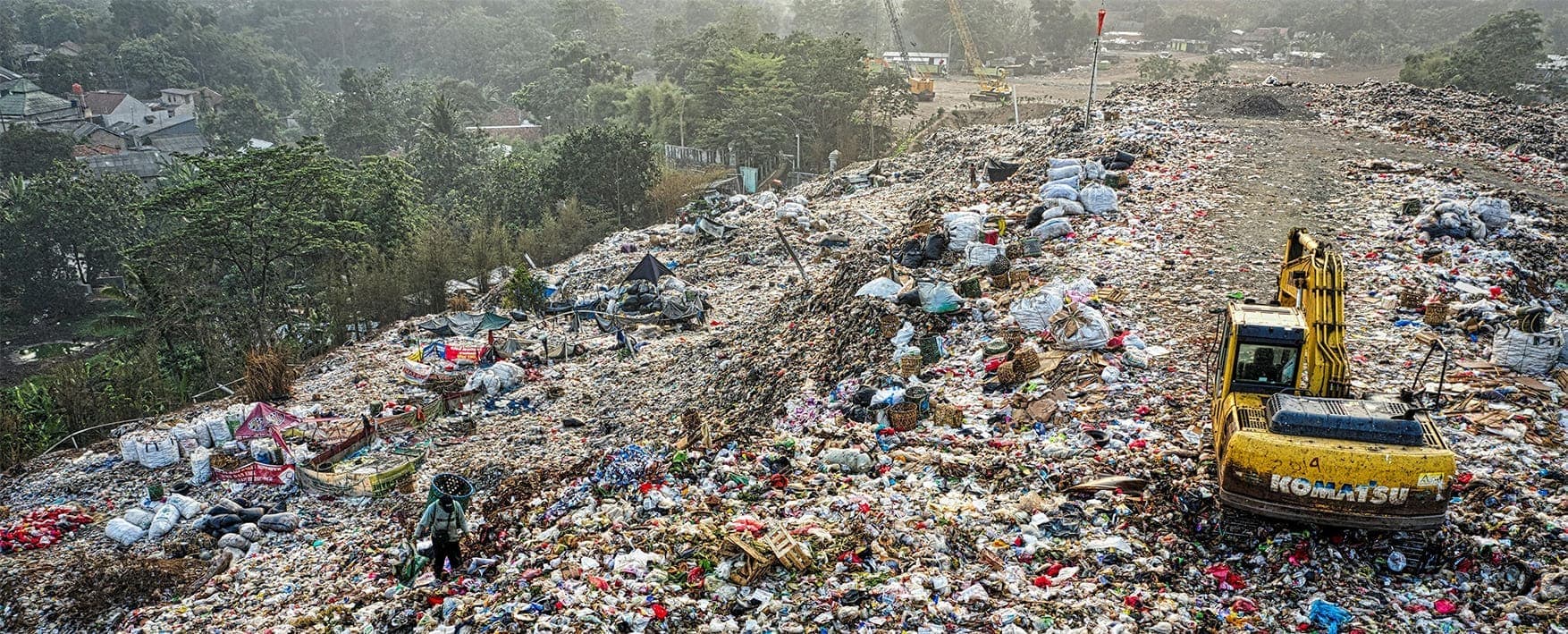
World Bank data indicates global MSW surged from 1.2 billion tonnes (2002) to 2.0 billion tonnes (2016), with projections reaching 2.7 billion tonnes by 2025. Industrialization, urbanization, and changing consumption patterns are key drivers.
Key Challenges
- Sorting Complexity: Inconsistent classification standards and low public participation hinder efficient source separation.
- Low Recovery Rates: Global recycling rates average 13–30%, with disparities between developed (e.g., Germany: 56%) and developing regions (<5%).
- High Operational Costs: Collection, transport, and sorting require significant investment, often making landfilling/incineration the default option.
- Environmental Risks: Processing plastics and e-waste can release pollutants, requiring advanced emission control systems.

Integrated MSW Recovery System
Feed System:
- Plate conveyors and vibrating feeders ensure uniform material input and prevent clogging.
Size Reduction:
- Dual-Shaft Shear Shredders: Low-speed, high-torque processors for bulky waste (e.g., furniture, mixed MSW).
- Single-Shaft Shredders: High-speed units for brittle materials (wood, rigid plastics).
- Multi-Stage Shredding: Primary shredding (<300mm) followed by secondary grinding (<80mm) to enhance purity.
Material Separation:
- Magnetic Separation: Recovers ferrous metals via suspended/drum magnets.
- Air Classification: Separates light fractions (plastics, paper) from heavy residues (glass, stones) for RDF production.
- Screening: Trommel/vibrating screens classify materials by particle size.
Resource Recovery:
- Light, high-calorific fractions are densified into RDF pellets as alternative fuel for cement plants or power generation.
Environmental Controls:
- Dust collectors and PLC-based automation ensure emissions compliance and operational efficiency.
System Configuration Considerations
- Scale/Site: Fixed vs. modular/mobile plants for centralized or decentralized operations.
- Waste Composition: Prioritize eddy-current separators for non-ferrous metals or air classifiers for RDF optimization.
- Regulatory Compliance: Integrate noise/dust control systems to meet local standards.
Conclusion
Intelligent, automated MSW processing lines—supported by policy advancements—are essential to achieve higher recycling rates, resource circularity, and sustainable urban development.

Frequently Asked Questions
What equipment does SLECOTECH manufacture?
SLECOTECH builds shredders, crushers and washing/recycling lines for plastics, wood, rubber, paper and MSW recovery, and configures them to your material and capacity.
How do I choose the right recycling machine?
Match the machine to your feed and goal: single shaft for uniform flakes, twin-shaft for tough objects, double rotor for high-volume light waste, pipe shredder for long pipe. Our engineers help size the line.
Does SLECOTECH provide complete recycling lines?
Yes. Shredders and crushers are typically paired with washing, sorting and pelletising stages into an integrated line designed around your material and target output.