

ما هي آلة تقطيع الأنابيب؟
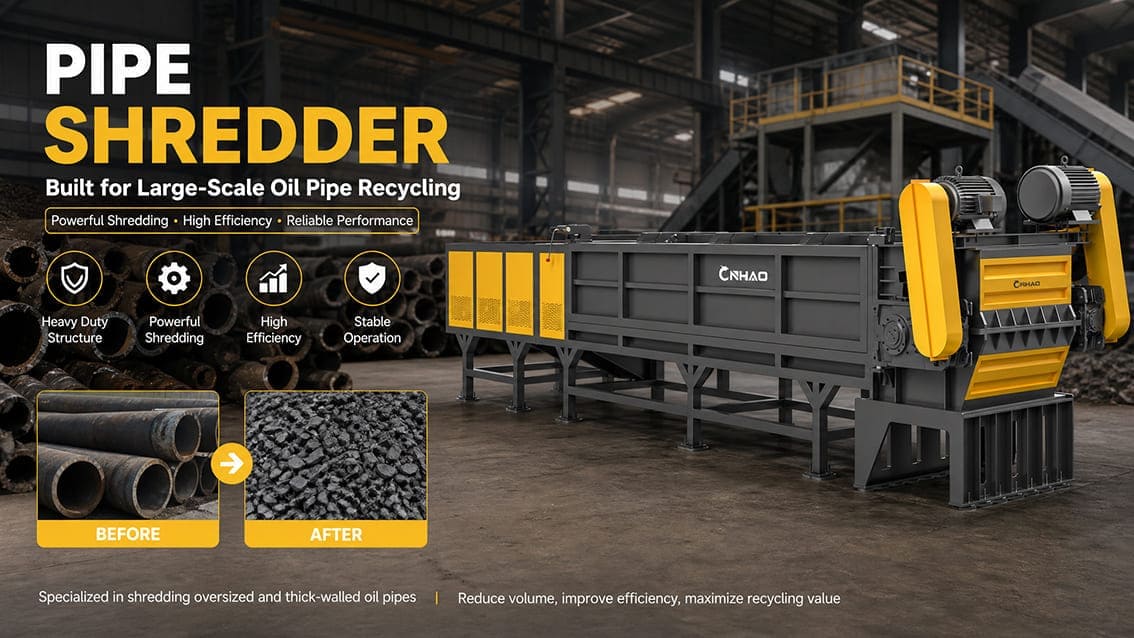
آلة تقطيع الأنابيب هي آلة إعادة تدوير مصممة لتقطيع الأنابيب البلاستيكية الطويلة والضخمة إلى قطع أصغر قبل عملية التحبيب أو الغسل أو إعادة المعالجة.
إن آلة تقطيع الأنابيب من سلسلة P وقد صُممت خصيصًا لمعالجة الأنابيب البلاستيكية ذات الأحجام الكبيرة التي يصعب معالجتها باستخدام آلات التقطيع التقليدية. وتُستخدم عادةً لمعالجة نفايات الأنابيب المصنوعة من البولي إيثيلين عالي الكثافة (HDPE) والبولي فينيل كلوريد (PVC) والبولي بروبيلين (PP) والبولي بروبيلين المصفى (PPR) والبولي إيثيلين (PE)، بالإضافة إلى نفايات الأنابيب الصناعية الكبيرة.
لماذا يصعب إعادة تدوير الأنابيب البلاستيكية الكبيرة؟
تشكل الأنابيب ذات القطر الكبير تحديات فريدة من نوعها أثناء عملية إعادة التدوير.
التحديات الشائعة
- الأطوال التي تتجاوز 3–6 أمتار
- أقطار تتراوح من 200 ملم إلى ما يزيد عن 1,200 ملم
- الهياكل ذات الجدران السميكة
- صلابة عالية للمادة
- صعوبة في المناولة اليدوية والتغذية
وبدون إجراء عملية التقطيع المسبق بشكل سليم، قد تؤدي هذه المواد إلى تحميل الكسارات اللاحقة بأكثر من طاقتها وزيادة تكاليف التشغيل.
كيف تعمل آلة تقطيع الأنابيب من سلسلة P؟
تم تصميم آلة تقطيع الأنابيب من سلسلة P للتغذية المستمرة للأنابيب الطويلة دون الحاجة إلى قطع مسبق مكثف.
مسار العملية
- تحميل الأنابيب
- التغذية الهيدروليكية
- تمزيق الأنابيب
- تصغير الحجم
- تفريغ الناقل
- الطحن الثانوي أو التحبيب
المكونات الرئيسية
| المكوّن | الوظيفة |
| المكبس الهيدروليكي | يدفع الأنابيب إلى داخل الدوار |
| دوار عالي العزم | يقوم بعملية التقطيع الأولية |
| السكاكين الثابتة والدوارة | قطع المواد |
| نظام الشاشة | يتحكم في حجم المخرجات |
| نظام التحكم بالبرمجة المنطقية (PLC) | التشغيل الآلي |
المواد التي يتم معالجتها عادةً
تُعد آلة تقطيع الأنابيب من سلسلة P مناسبة للاستخدام في:
- أنابيب البولي إيثيلين عالي الكثافة
- أنابيب PVC
- أنابيب PP
- أنابيب PPR
- أنابيب المياه المصنوعة من البولي إيثيلين
- الأنابيب المموجة
- نفايات إنتاج الأنابيب البلاستيكية
- مخلفات الأنابيب البلدية
المعلمات الفنية
تختلف المواصفات الفعلية وفقًا لمتطلبات المشروع.
| المعلمة | النطاق المعتاد |
| قطر الأنبوب | 200–1,200 ملم |
| قطر الدوار | 500–800 ملم |
| قوة المحرك | 55–160 كيلوواط |
| معدل الإنتاجية | 500–5,000 كجم/ساعة |
| حجم المخرجات | 40–120 ملم |
فوائد استخدام آلة تقطيع الأنابيب
1. يتعامل مع الأنابيب ذات الأبعاد الكبيرة
يمكن للآلة معالجة الأنابيب الكبيرة التي لا يمكن إدخالها مباشرةً في الكسارات القياسية.
2. يقلل من تكاليف النقل والتخزين
تشغل المواد المقطعة حجمًا أقل بكثير من الأنابيب الكاملة.
3. يحسّن كفاءة العمليات اللاحقة
تساهم القطع المقطعة بشكل موحد في تحسين اتساق التغذية للكسارات وخطوط الغسيل وأنظمة البثق.
4. يحمي المعدات الثانوية
يقلل التقطيع المسبق من الأحمال الصدمية ويحد من تآكل آلات التقطيع والكسارات.
5. يدعم أهداف الاقتصاد الدائري
يمكن إعادة استخدام المواد البلاستيكية المسترجعة في تطبيقات التصنيع.
آلة تقطيع الأنابيب مقابل الكسارة التقليدية
| العنصر | آلة تقطيع الأنابيب | الكسارة التقليدية |
| معالجة الأنابيب الطويلة | ممتاز | محدودة |
| التعامل مع الأقطار الكبيرة | ممتاز | صعب |
| استقرار التغذية | عالية | متوسط |
| كفاءة الطاقة | عالية | متوسط |
| حماية المعدات | عالية | منخفض |

المشاكل الشائعة في إعادة تدوير الأنابيب
المشكلة 1: تغذية الأنابيب الكبيرة
قد لا تتناسب الأنابيب ذات الأبعاد الكبيرة مع مداخل الكسارات التقليدية.
المشكلة 2: تآكل الدوار
قد تحتوي الأنابيب الملوثة على رمل أو حصى أو جزيئات معدنية.
المشكلة 3: انخفاض معدل الإنتاجية
يؤدي قطع الأنابيب يدويًّا إلى زيادة الجهد المبذول ووقت المعالجة.
الحلول
استخدام أنظمة التغذية الهيدروليكية
يعزز التغذية الهيدروليكية من السلامة واتساق عملية التغذية.
تركيب معدات الكشف عن المعادن
تساعد أجهزة الكشف عن المعادن في منع الأضرار الناجمة عن الشوائب المعدنية العالقة.
تحسين مراحل التقطيع والسحق
يؤدي الجمع بين آلات التقطيع والكسارات اللاحقة إلى تحسين الكفاءة الإجمالية للمصنع.
الأسئلة الشائعة
هل يمكن لسلسلة P تقطيع أنابيب البولي إيثيلين عالي الكثافة (HDPE)؟
نعم. وتُعد أنابيب الضغط المصنوعة من البولي إيثيلين عالي الكثافة (HDPE) من بين الاستخدامات الأكثر شيوعًا.
هل يمكنها معالجة الأنابيب البلاستيكية (PVC)؟
نعم. يمكن تقطيع كل من أنابيب البولي فينيل كلوريد (PVC) الصلبة وأنابيب البولي فينيل كلوريد ذات القطر الكبير.
هل يلزم إجراء قطع مسبق؟
في كثير من الحالات، يمكن إدخال الأنابيب الطويلة مباشرةً إلى الآلة، مما يقلل من احتياجات اليد العاملة.
ما هو الحجم المعتاد للمخرجات؟
تنتج معظم الأنظمة قطعًا ممزقة يتراوح طولها بين 40 و120 ملم قبل المعالجة الثانوية.
حلول ستريملاين إيكو تيك
تقدم شركة «ستريملاين إيكو تك» حلولاً لإعادة تدوير الأنابيب البلاستيكية، والمواد البلاستيكية الصلبة، وزجاجات البولي إيثيلين تيريفثالات (PET)، والأغشية البلاستيكية، والأكياس المنسوجة، والنفايات البلاستيكية الصناعية.
تتضمن أنظمة إعادة تدوير الأنابيب التي نقدمها ما يلي: آلات تقطيع الأنابيب، والناقلات، ومعدات فصل المعادن، والكسارات، وأنظمة الغسل، وخطوط التكوير لتحسين كفاءة إعادة التدوير واستعادة المواد، مع دعم أهداف الاقتصاد الدائري.
الأسئلة الشائعة
لماذا نستخدم آلة تقطيع الأنابيب المخصصة؟
تتدحرج الأنابيب الطويلة وتتراصف داخل قادوس قياسي. وتقوم القناة الأفقية على شكل حرف V في آلة تقطيع الأنابيب، إلى جانب الدافع الهيدروليكي، بإمساك الأنابيب وتغذيتها بأمان وبشكل مستمر.
ما هي أقطار الأنابيب التي يمكن لآلة تقطيع الأنابيب معالجتها؟
يتم تهيئته وفقًا لنطاق البثق الخاص بك؛ حيث يتم مواءمة عرض الحامل والدوار مع أطول وأعرض أنبوب تقوم بتصنيعه. يرجى إطلاعنا على نطاق الأحجام لديك للحصول على التصميم المناسب.
هل يمكن لآلة تقطيع الأنابيب إعادة تدوير بقايا البثق؟
نعم – تعتبر قصاصات المواد، وبقايا التركيب، والمقاطع الصلبة مواد تغذية مثالية، ويتم إعادة تدويرها مباشرةً في العملية كمواد معاد طحنها.