
Con el rápido desarrollo de la economía circular mundial, el reciclado de plásticos está pasando de ser un sector puramente medioambiental a convertirse en una industria de alto valor.
Cada vez más empresas entran en el negocio del reciclado de plásticos, pero sólo un número limitado consigue una rentabilidad estable a largo plazo.
Antes de invertir, la mayoría de los recicladores se enfrentan a varias preocupaciones clave:
- ¿Es realmente rentable reciclar plásticos?
- ¿Cómo debe seleccionarse el equipamiento?
- ¿Cómo reducir los costes de energía y mano de obra?
- ¿Cómo mejorar la calidad del plástico reciclado?
- ¿Qué plásticos ofrecen el mayor valor de reciclado?
- ¿Cómo minimizar el tiempo de inactividad de los equipos?
En realidad, la competencia en el reciclado de plásticos ya no se centra en quién recoge más residuos, sino en quién puede producir sistemáticamente materiales reciclados de mayor calidad.
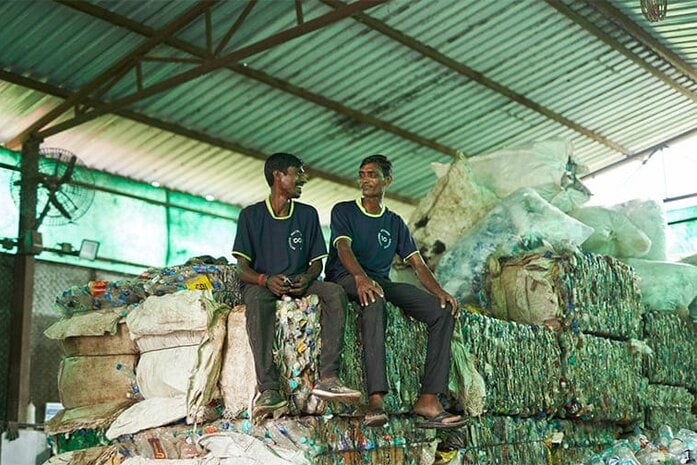
¿Por qué están entrando más empresas en el sector del reciclaje de plásticos?
La demanda mundial de plásticos reciclados aumenta rápidamente.
Especialmente en:
- Copos de rPET de calidad alimentaria
- Pellets de HDPE reciclado
- Materiales PP reciclados
- Reciclado de películas
- Reciclado industrial de plásticos
La demanda del mercado sigue creciendo.
Cada vez más marcas mundiales exigen materiales PCR (reciclados postconsumo) en sus cadenas de suministro.
Esto significa que el valor de mercado de los plásticos reciclados de alta calidad sigue aumentando.
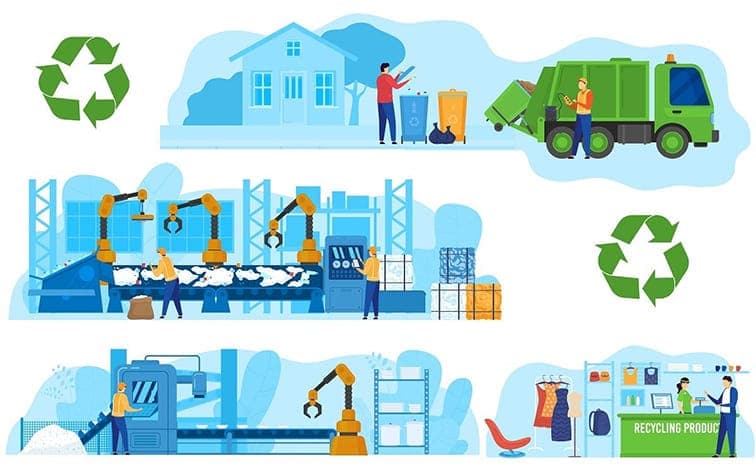

La mayor preocupación: ¿Cómo pueden las plantas de reciclaje reducir los costes de explotación?
Para la mayoría de las empresas de reciclaje, la rentabilidad no viene determinada únicamente por el volumen de producción, sino por:
- Costes de electricidad
- Costes laborales
- Mantenimiento de los equipos
- Tiempo de inactividad
- Desgaste de la cuchilla
- Consumo de agua
Como resultado, más recicladores se están centrando en: Equipos de alta eficiencia、Sistemas automatizados、Controles inteligentes、Diseños de bajo consumo energético、Estructuras de cuchillas de larga duración.
Un sistema de reciclado de alto rendimiento puede reducir continuamente los costes operativos a largo plazo.
Por qué el pretratamiento inicial determina la eficiencia de la planta
Muchos recicladores se centran sobre todo en los sistemas de peletización cuando construyen plantas de reciclaje.
En realidad, los sistemas de pretratamiento previos son los que determinan la calidad y la estabilidad operativa posteriores. Incluidos:
- Trituradoras
- Trituradora industrial
- Sistemas de lavado
- Sistemas de desagüe
- Sistemas de secado
Si el sistema frontal es inestable, todo el
línea de producción descendente se verá afectada.
Por ejemplo:
- Tamaño del material incoherente
- Humedad excesiva
- Residuos contaminantes
- Polvo excesivo
puede resultar en: Peletización inestable、Valor IV reducido、Granulado amarillento、Incremento del consumo de energía.

Cómo ayuda Streamline Eco Tech a mejorar la eficiencia del reciclaje
Streamline Eco Tech se especializa en soluciones de pretratamiento para el reciclado frontal de plásticos.
Sus sistemas se utilizan ampliamente para:
- Reciclado de botellas PET
- Plásticos rígidos PE/PP
- Reciclado de películas
- Residuos de moldeo por inyección
- Contenedores huecos
- Reciclado de tuberías
En comparación con los sistemas tradicionales, Streamline Eco Tech se centra más en: Rendimiento estable, menor consumo de energía, mayor automatización, menores costes de mantenimiento y mejor calidad del material final.
Por eso, cada vez más plantas de reciclaje están mejorando sus sistemas de pretratamiento.

¿Qué plásticos ofrecen el mejor valor de reciclado?
Los distintos plásticos tienen valores de reciclado muy diferentes.
En la actualidad, los plásticos reciclables más valiosos son:
Botellas PET
La demanda de rPET alimentario sigue aumentando en todo el mundo.
Plásticos rígidos HDPE
Muy utilizado para envases, productos domésticos y contenedores industriales.
Materiales PP
Demanda estable de las industrias de automoción y electrodomésticos.
Películas PE
Los mercados del reciclado de películas agrícolas y de envasado siguen creciendo.
Los materiales reciclados de mayor calidad suelen ofrecer mejores márgenes de beneficio.
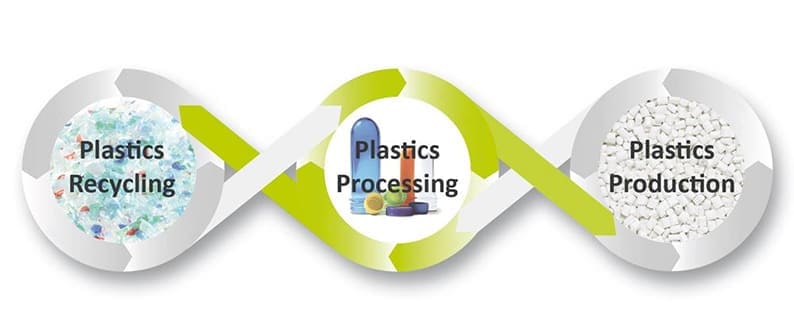
La automatización inteligente está transformando el reciclaje de plásticos
El futuro del reciclado de plásticos se centrará cada vez más en:
- Control automatizado
- Supervisión de la IA
- Optimización energética
- Gestión digital de instalaciones
- Reciclado de alta pureza
Cada vez más plantas utilizan la automatización para reducir la dependencia de la mano de obra y mejorar la estabilidad operativa.

Conclusión
La industria del reciclado de plásticos está entrando en una nueva era de alta calidad, eficiencia y automatización inteligente.
Los recicladores más competitivos del futuro no se limitarán a poseer más recursos de residuos, sino que producirán sistemáticamente materiales reciclados de alta calidad.
Streamline Eco Tech está ayudando a los recicladores de todo el mundo a construir plantas de reciclaje más eficientes, estables y sostenibles mediante sistemas avanzados de pretratamiento.
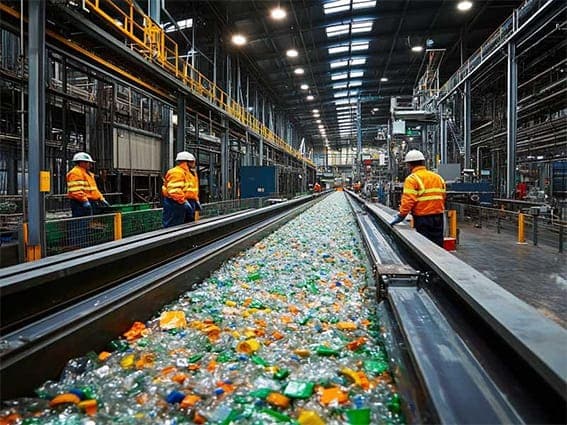
Preguntas más frecuentes (FAQ)
1. ¿Sigue siendo rentable el reciclaje de plásticos?
Sí. A medida que aumenta la demanda mundial de materiales PCR, los plásticos reciclados de alta calidad siguen ofreciendo un gran potencial de beneficios.
Sin embargo, la industria ha pasado de una competencia de baja entrada a una competencia de producción de alta calidad.
2. ¿Cuál es el equipo más importante de una planta de reciclaje?
Los sistemas de pretratamiento frontales suelen determinar la estabilidad de toda la línea de reciclado.
Especialmente:
- Trituradoras
- Trituradoras
- Sistemas de lavado
- Sistemas de secado
3. ¿Cómo mejorar la calidad del plástico reciclado?
Entre los factores clave figuran:
- Tamaño uniforme de los copos
- Menor humedad
- Menos contaminantes
- Temperatura de granulación estable
Los sistemas de pretratamiento de alta calidad mejoran enormemente la calidad final del granulado.
4. ¿Qué plásticos tienen mayor valor de reciclado?
En la actualidad, los plásticos reciclables de mayor valor son:
- PET alimentario
- HDPE
- PP
- Plásticos técnicos
5. ¿Qué soluciones ofrece Streamline Eco Tech?
Streamline Eco Tech proporciona:
- Sistemas de trituración
- Sistemas de trituración
- Sistemas de lavado
- Sistemas de deshidratación y secado
- Soluciones de pretratamiento personalizadas
Ayudar a los recicladores a mejorar la eficiencia, reducir el consumo de energía y mejorar la calidad del material reciclado.
Preguntas frecuentes
¿Cuáles son los pasos principales del reciclaje de plástico?
Recogida y clasificación, trituración (primero trituración y luego granulación), lavado, separación por densidad o tipo, secado y, por último, peletización o reutilización directa como material triturado.
¿Por qué hay que trocear el plástico antes de lavarlo?
La trituración aumenta la superficie y libera los contaminantes retenidos, lo que hace que el lavado y la separación sean mucho más eficaces y aumenta la pureza final de las escamas.
¿Qué es el material triturado y para qué se utiliza?
El material triturado es el copo uniforme que se obtiene mediante un granulador a partir de residuos plásticos limpios. Se reintroduce directamente en el proceso de extrusión o mezcla, cerrando así el ciclo de los residuos internos.