

世界中で電子機器が急速に進化し続ける中、電子廃棄物(E-Waste)は、世界的に最も急速に増加している固形廃棄物のひとつとなっている。
廃棄されたスマートフォン、パソコン、テレビ、回路基板、ケーブル、家電製品には、大量のプラスチック、金属、および再利用可能な資源が含まれています。
一方で、電子廃棄物には有害物質も含まれており、不適切な処理が行われた場合、長期的な環境や健康へのリスクをもたらすおそれがあります。
したがって、電子廃棄物のリサイクルは、環境に対する責任であるだけでなく、世界的な循環型経済の重要な一環でもあります。
世界の電子廃棄物は急速に増加している
家電製品、5G対応端末、電気自動車、スマートホーム技術などを背景に、世界の電子廃棄物の量は急速に増加し続けている。
製品のライフサイクルが短くなるにつれ、効率的なリサイクルソリューションへの需要が高まっています。特に以下の分野において:
- 家電製品
- IT機器
- 電気ケーブル
- リチウム電池システム
- 産業用電子機器
回収可能な材料のリサイクル価値は上昇し続けている。
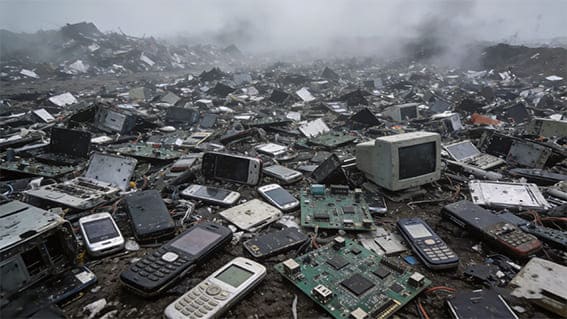
電子廃棄物リサイクルにおける主な課題
電子廃棄物は、金属、プラスチック、ゴム、ガラス、電子部品などで構成される非常に複雑な構造を持っています。
その結果、リサイクル業者は処理の過程でいくつかの技術的な課題に直面しています:
1. 複雑な材料組成
電子機器によって、その構造は大きく異なります
および資材。
プリント基板、プラスチック製筐体、および金属部品
まったく異なる処理方法が必要となる。
2. 金属とプラスチックの分別が困難
銅、アルミニウム、鉄、プラスチックを効率的に分別することは、素材の価値を最大限に引き出すために不可欠です。
3. 粉塵と安全上の懸念
電子廃棄物の破砕工程では、粉塵や有害な微粒子が発生する可能性があります。
したがって、リサイクルシステムには、安定性があり、安全で、環境に配慮した設計が不可欠である。


ストリームライン・エコテックが電子廃棄物のリサイクルをどのように支援しているか
ストリームライン・エコ・テック 産業廃棄物およびプラスチックリサイクル向けのフロントエンド前処理システムを専門としています。
同社の機器は、主に以下の用途で広く利用されています:
- 家電製品のリサイクル
- WEEEのリサイクル
- ケーブルのリサイクル
- プラスチック製電子廃棄物
- 産業用電子廃棄物
従来のシステムと比較して、Streamline Eco Techは以下の点に特に重点を置いています:
- 高い稼働安定性
- エネルギー消費の低減
- 高トルクシュレッダー
- インテリジェント制御システム
- モジュール式メンテナンス設計
電子廃棄物に秘められた資源価値
多くの電子廃棄物には、回収可能な貴重な金属が含まれています。
例:銅、アルミニウム、金、銀、レアメタル。
同時に、ABS、HIPS、PPなどのエンジニアリングプラスチックも、高いリサイクル価値を有しています。
世界的な原材料価格の高騰が続く中、電子廃棄物のリサイクルは高付加価値産業となりつつある。

スマートオートメーションが業界標準になりつつある
電子廃棄物のリサイクルの将来は、以下の点にさらに重点が置かれることになるでしょう:
- 自動仕分け
- AI認識システム
- インテリジェントな監視
- エネルギー効率
- 高純度材料の回収
高性能な破砕・前処理システムは、リサイクルチェーン全体の基盤となるでしょう。
結論
電子廃棄物のリサイクルは、環境汚染を軽減するだけでなく、貴重な資源の回収も可能にします。
世界的な循環型経済が拡大し続ける中、効率的で安定性が高く、インテリジェントな前処理装置への需要が急速に高まっています。
ストリームライン・エコ・テック は、最先端の破砕・粉砕ソリューションを通じて、世界中のリサイクル事業者がより効率的で持続可能な電子廃棄物リサイクルシステムを構築できるよう支援しています。
よくある質問
プラスチックのリサイクルにおける主な手順は何ですか?
回収・選別、破砕(シュレッダー処理 followed by 造粒)、洗浄、密度・種類による選別、乾燥、そして最後にペレット化、あるいは再粉砕材として直接再利用。
なぜ洗浄する前にプラスチックを細かく砕く必要があるのでしょうか?
細断処理を行うことで表面積が増加し、閉じ込められていた不純物が解放されるため、洗浄と分離の効率が大幅に向上し、最終的なフレークの純度が高まります。
「リグラインド」とは何ですか?また、どのように使用されるのですか?
リグラインドとは、クリーンなプラスチックスクラップを造粒機で処理して得られる均一なフレークのことです。これはそのまま押出成形やブレンド工程に再投入され、社内のスクラップの循環サイクルを完結させます。