

RDF Demand Background: Intersection of Energy Transition and Waste Management
Global urbanization and rising consumption have driven explosive growth in waste generation. World Bank data indicates that annual municipal solid waste (MSW) exceeds 2 billion tons, projected to reach 3.4 billion tons by 2050. Against the backdrop of global “dual-carbon” goals, countries are seeking pathways to reduce fossil fuel dependence. RDF (Refuse-Derived Fuel)—a technology converting waste into standardized solid fuel—aligns with both waste management and energy transition needs.
The EU’s Landfill Directive has significantly reduced biodegradable waste landfill, creating vast market opportunities for RDF. Mechanical-Biological Treatment (MBT) is the mainstream RDF production method in Germany, Austria, and others. China’s “dual-carbon” and “zero-waste city” initiatives are also accelerating RDF market growth. The cement industry, with coal costs accounting for nearly half of production expenses, represents a key application sector for RDF.
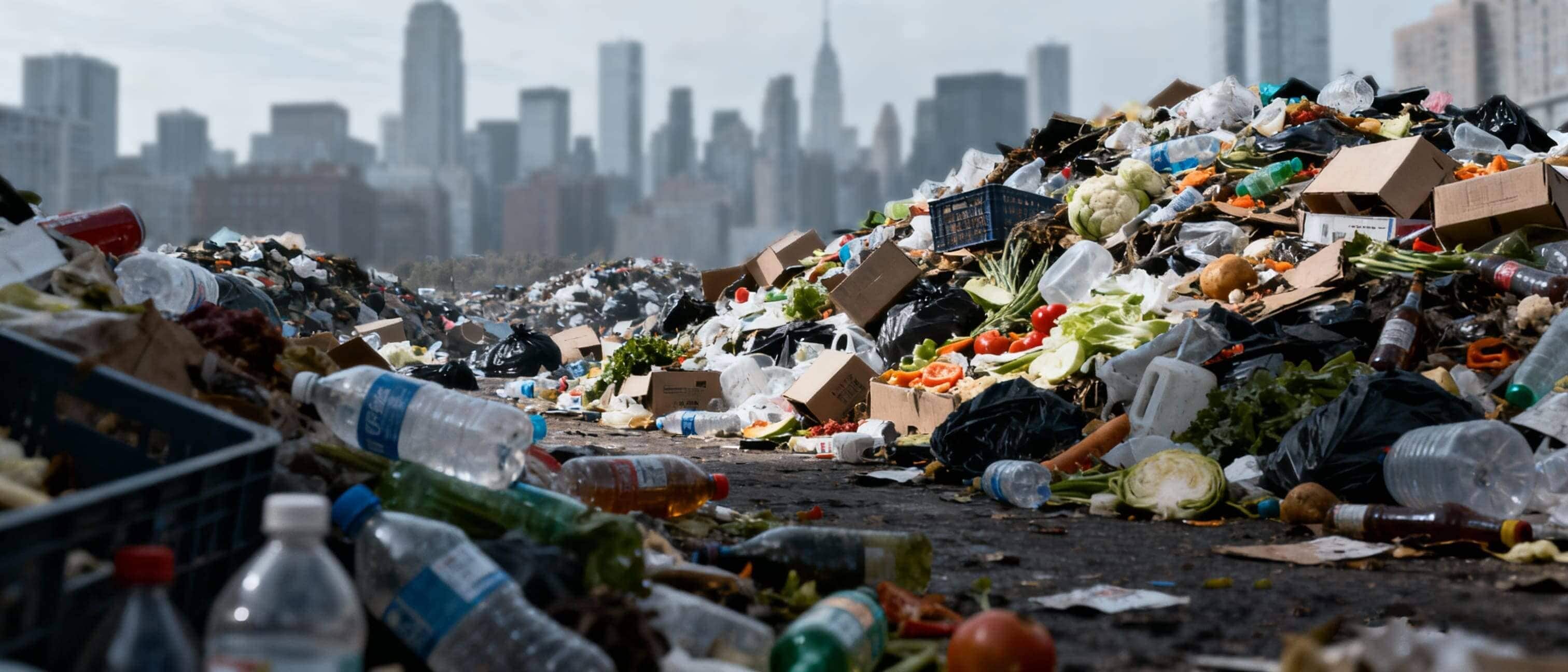
Environmental Pressures and Technical Challenges in RDF Production
Environmental Pressures: Traditional landfilling consumes land resources, generates methane, and pollutes groundwater. Annual plastic pollution exceeds 70 million tons globally, with a recycling rate below 10%. Reducing landfill and enhancing resource efficiency are urgent global priorities.
Technical Bottlenecks:
- Feedstock Complexity: MSW composition varies by season, region, and economic level, leading to inconsistencies in moisture, calorific value, and pollutants (e.g., chlorine, heavy metals).
- Pretreatment Difficulty: In developing countries, high-moisture, low-calorific kitchen waste comprises 40–60% of MSW, increasing preprocessing costs.
- Economic Viability: Coal price fluctuations impact RDF competitiveness. When coal prices are low, RDF’s rigid costs in collection, pretreatment, and processing hinder its market advantage.
Table 1: Comparison of RDF Feedstock Characteristics and Processing Challenges
| Feedstock Type | Key Technical Challenges | Pretreatment Needs | Calorific Value (kcal/kg) |
| Municipal Solid Waste | Complex composition, high moisture | Coarse crushing, magnetic separation, fine crushing, drying | 3,000–5,500 |
| Industrial Solid Waste | Uncertain pollutant levels | Crushing, sorting, homogenization | 4,500–8,000 |
| Agricultural & Forestry Waste | Prone to tangling, high moisture | Drying, crushing, shaping | 3,500–4,500 |
| Lightweight Construction Waste | Complex composition, difficult sorting | Multi-stage sorting, air classification, magnetic separation | 3,500–4,800 |
RDF Manufacturing Solutions and Equipment Configuration
Pretreatment and Sorting Systems:
- MSW: “Coarse crushing + magnetic separation + fine crushing” to achieve 30–50mm particles.
- Industrial waste (e.g., textiles, leather): Enhanced shredding with anti-winding designs.
- Construction waste: “Mechanical crushing + air classification + magnetic separation” improves combustible recovery to >75%.
Core Process Systems:
- Crushing System: Double Shaft Shredder for MSW/soft waste/bulky items.
- Sorting System: Magnetic separators for ferrous metals; optical sorters (NIR) for plastics/paper.
- Drying & Forming System: Rotary dryers reduce moisture; ring-die/pellet mills form standardized fuels.

Table 2: RDF Production Line Core Equipment Configuration Plan
| Equipment Name | Functional Features | Applicable Scenarios | Technical Advantages |
| Double Shaft Shredder | Coarse crushing, reducing material volume | Domestic waste, bulky waste | High processing efficiency, strong adaptability |
| Fine crusher | Fine crushing, achieving ideal size | Various solid wastes | Uniform output, low energy consumption |
| Magnetic separator | Separating iron metals and other non-combustible materials | All raw materials containing iron metals | High separation efficiency, high degree of automation |
| RDF forming machine | Compressing crushed materials into shape | Various combustible materials | High forming rate, uniform product density |
| Dust collector | Controlling dust pollution during production | All production line links | Environmental compliance, improved working environment |
| Horizontal hydraulic baler | Compressing and baling materials for easy transportation | Material handling before and after forming | High baling efficiency, space-saving |
Auxiliary Equipment and System Optimization
- Smart Control Systems: PLC-integrated sensors monitor moisture, volatile content, and adjust parameters in real time.
- Environmental Treatment Systems: Baghouse dust collectors controldust; dechlorination systems prevent corrosion in cement kilns.
Best Sources of Alternative Fuels and Calorific Value Analysis
- Industrial Solid Waste: High calorific value (4,500–8,000 kcal/kg), stable composition. Tire-derived fuel (TDF) reaches 8,000 kcal/kg.
- Municipal Solid Waste: Calorific value ranges 3,000–5,500 kcal/kg (higher in developed regions with less organic waste).
- Agricultural & Forestry Waste: Biofuel calorific value: 3,500–4,500 kcal/kg; carbon-neutral properties.
4. Lightweight Construction Waste: Underutilized resource with 3,500–4,800 kcal/kg;
cost-effective after sorting.
Conclusion
RDF feedstock selection directly impacts economic and environmental outcomes.
Streamline Eco Tech specializes in solid waste processing equipment R&D and project implementation. Contact us for customized solutions.


Frequently Asked Questions
What equipment does SLECOTECH manufacture?
SLECOTECH builds shredders, crushers and washing/recycling lines for plastics, wood, rubber, paper and MSW recovery, and configures them to your material and capacity.
How do I choose the right recycling machine?
Match the machine to your feed and goal: single shaft for uniform flakes, twin-shaft for tough objects, double rotor for high-volume light waste, pipe shredder for long pipe. Our engineers help size the line.
Does SLECOTECH provide complete recycling lines?
Yes. Shredders and crushers are typically paired with washing, sorting and pelletising stages into an integrated line designed around your material and target output.